

Deserts hold a mystique unlike any other landscape. Vast stretches of sand, dramatic dunes, and endless horizons create a unique sense of solitude. Travelers are drawn to deserts for their quiet beauty and stark contrasts. The charm lies not just in the scenery but in the feeling of stepping into a world far removed from daily life. Deserts remind us of nature’s resilience and the tranquility that can come from simplicity.
Understanding Desert Landscapes
 Deserts are diverse and dynamic. Some are rolling dunes, like the Sahara, while others feature rugged rock formations or salt flats, like Bolivia’s Uyuni. Learning about a desert’s ecosystem enhances your experience. Sparse vegetation, unique wildlife, and shifting sands are all part of its appeal. By understanding the landscape, travelers can appreciate both its beauty and fragility. This awareness ensures a deeper connection to the environment.
Experiencing Sand Dunes Up Close
Sand dunes are the defining feature of many deserts. Climbing them at sunrise or sunset provides breathtaking views. The changing light casts long shadows and transforms the landscape. Activities like sandboarding or camel trekking offer adventure while allowing you to move across the dunes with ease. Each dune is a small challenge and a visual treat. Engaging with these natural formations gives a sense of scale and perspective unique to desert travel.
Discovering Oases
Oases are pockets of life in otherwise arid deserts. Palm trees, water sources, and small settlements create spaces of refuge. Historically, oases served as critical stops for traders and travelers. Today, they offer travelers a chance to experience local culture, rest, and refresh. Visiting an oasis ensures a break from the vast openness and provides insight into how people adapt to harsh environments. These lush spots highlight the balance between survival and beauty.
Considering Wildlife and Flora in the Desert
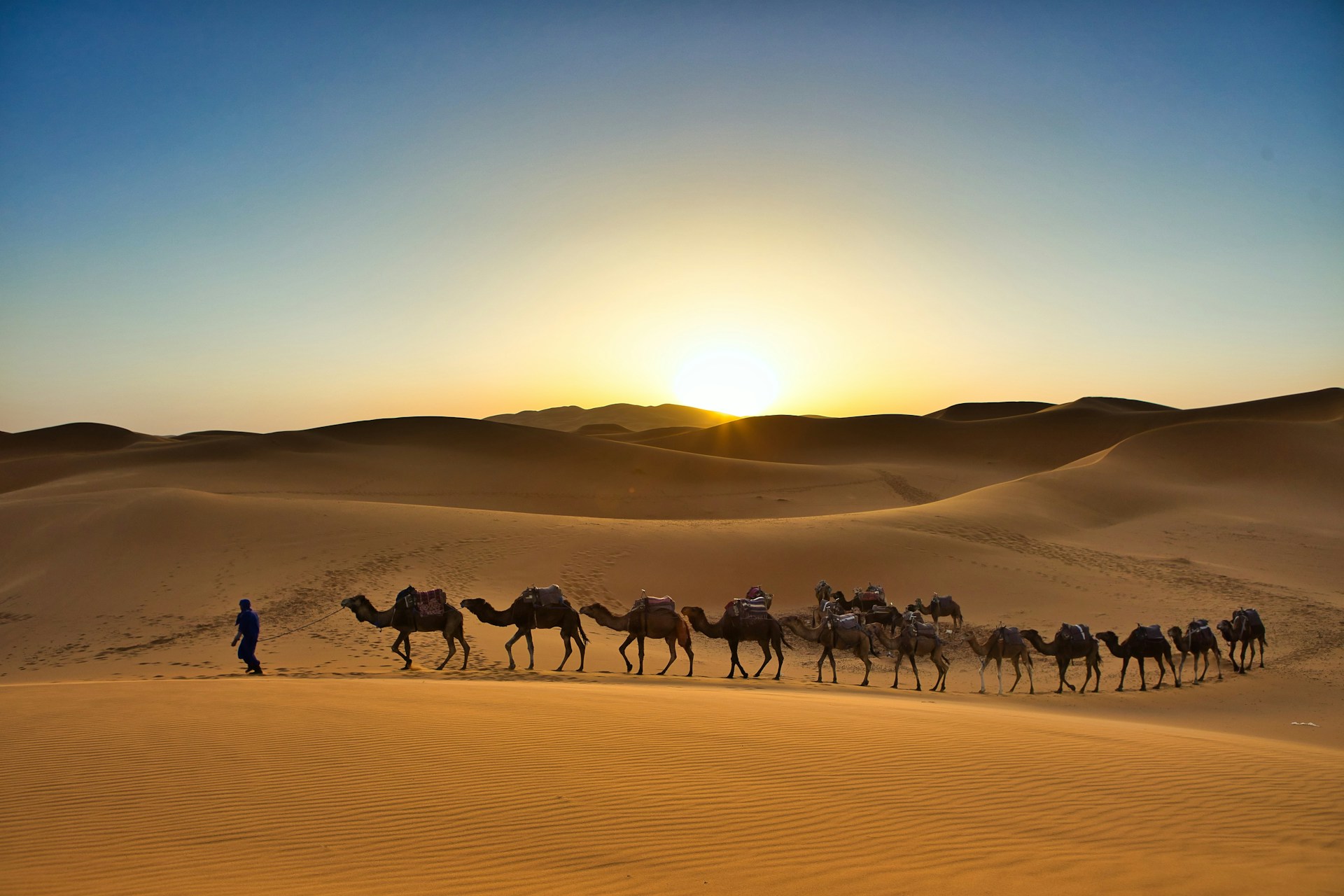
Despite harsh conditions, deserts support surprising biodiversity. Birds, reptiles, and mammals have adapted to survive extreme temperatures. Plants like cacti or acacia trees conserve water and provide shelter. Observing these species in their natural habitat adds a layer of discovery to your trip. Wildlife encounters in deserts are often fleeting, so patience and respect are key. The ability to spot life in seemingly barren landscapes creates memorable and unique experiences.
Planning for Safety and Comfort
Traveling in deserts requires careful preparation. Extreme temperatures, strong winds, and limited water sources can pose challenges. Proper clothing, hydration, and sun protection are essential. Guided tours can provide both safety and knowledge about the terrain. Planning ensures that your desert adventure is not only enjoyable but also safe. The effort invested in preparation pays off with a more immersive and stress-free experience.
Offering Cultural Encounters in Desert Regions
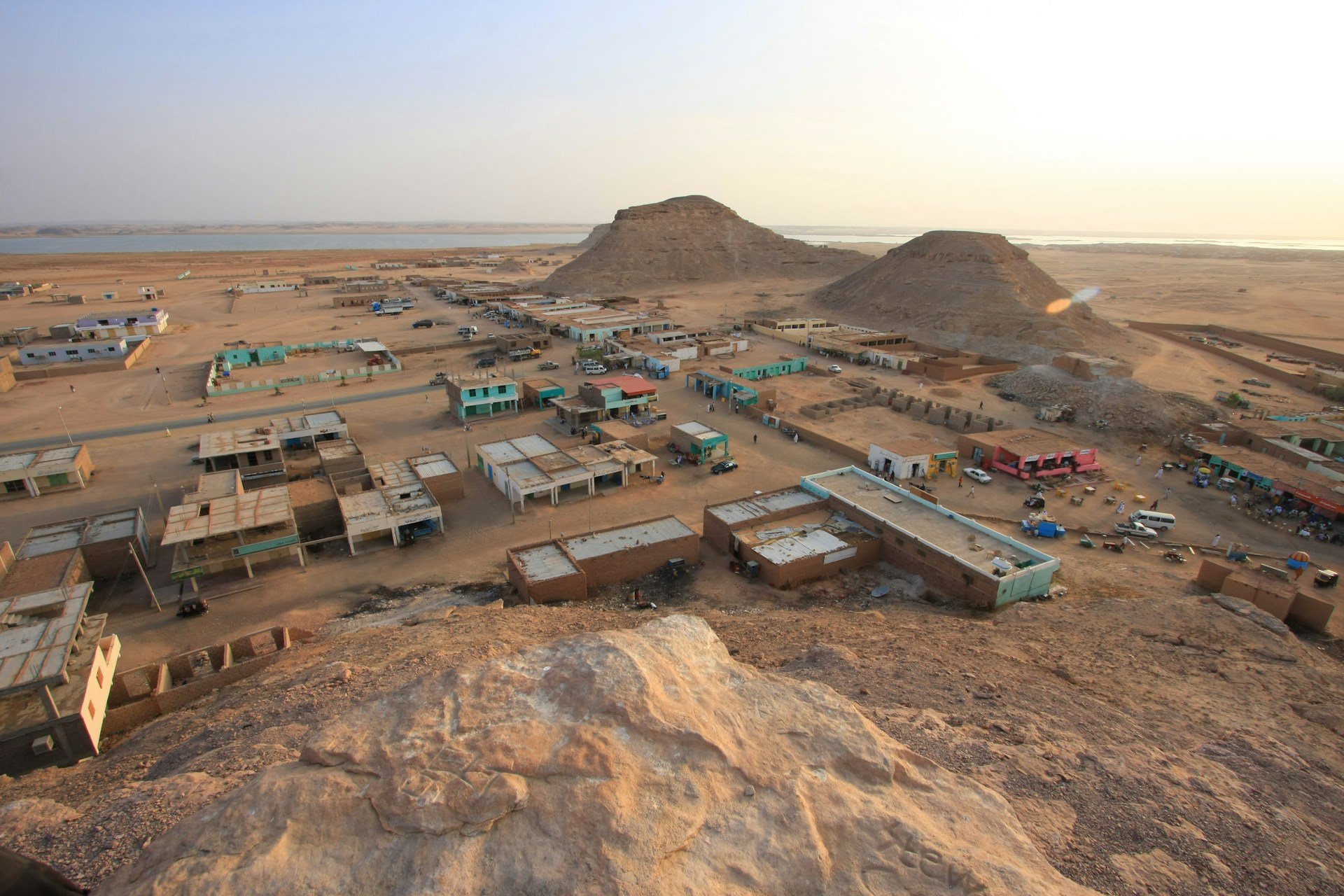 Many deserts are home to communities with rich cultural traditions. Nomadic tribes, small villages, and local artisans offer glimpses into centuries-old ways of life. Participating in cultural activities, such as music performances or traditional meals, creates meaningful interactions. Understanding local customs ensures respectful travel. These experiences connect visitors to the human side of the desert, complementing its natural wonders.
A journey through the desert leaves lasting impressions. The vast open spaces encourage reflection, while the unique landscapes inspire awe. Activities like trekking dunes, visiting oases, and connecting with local communities combine adventure with contemplation. Desert travel challenges perceptions and invites travelers to appreciate both simplicity and resilience. The memories created in these striking environments often endure long after the journey ends, making the experience truly unforgettable.